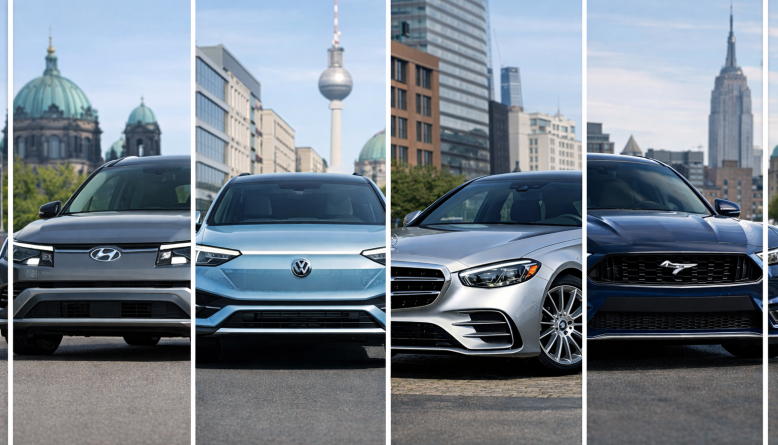
As automakers finalize product plans amid tightening regulations and shifting buyer demand, the 2026 model year is quietly taking shape. While not every vehicle has been fully revealed, a growing number of manufacturers have already confirmed new models, refreshes, and carryover nameplates for the year ahead. For shoppers tracking 2026 cars coming to USA and Europe, this moment matters. Production timelines are locking in, regulatory filings are public, and brand strategies are becoming clearer—long before showroom launches begin.
What’s Officially Confirmed
Based on manufacturer announcements, investor briefings, homologation filings, and press releases, several facts about the 2026 model year cars list are already established.
First, most major global automakers have confirmed continued rollout of electrified vehicles for 2026. Brands including Toyota, BMW, Mercedes-Benz, Volkswagen Group, and Ford have publicly committed to expanding EV and hybrid lineups in both North America and Europe. This confirms that 2026 new car releases will heavily emphasize electrification rather than all-new combustion-only platforms.
Second, multiple manufacturers have confirmed mid-cycle updates and next-generation launches timed specifically for the 2026 model year. These confirmations often come through official “next-generation” language in earnings calls or regulatory disclosures, rather than flashy unveilings. While not every model name is attached publicly, the intent is clear: 2026 is a transition year rather than a reset.
Third, compliance documents filed in the US and EU show that many existing models will continue into 2026 with revised powertrains, software updates, or emissions-related changes. This confirms that the complete list of 2026 cars USA Europe will include a mix of brand-new entries and heavily updated carryovers.
Why this matters is simple. Buyers should not expect a blank-sheet revolution across the industry, but a steady, deliberate evolution shaped by cost pressure and regulation.
Industry Signals Suggest a Split Strategy by Market
Looking beyond confirmed announcements, industry signals help explain how automakers are likely to allocate resources between regions.
In the upcoming 2026 cars USA market, manufacturers continue to balance electrification with demand for familiar nameplates. Pickup trucks, midsize SUVs, and hybrids remain central, reflecting buyer behavior and infrastructure realities. Several brands have indicated—carefully—that plug-in hybrids will play a larger role as a bridge technology rather than a temporary solution.
In contrast, the upcoming 2026 cars Europe market shows stronger momentum toward full electrification and smaller, more efficient vehicles. Stricter emissions rules and urban access regulations are pushing automakers to prioritize compact EVs and software-driven updates over larger redesigns.
Historically, when brands diverge strategies by region, it signals a longer transition period rather than rapid convergence. The 2026 model year fits that pattern.
What This Means for Buyers
For buyers tracking all 2026 cars confirmed so far, the takeaway depends on priorities.
If you value long-term compliance, software support, and resale stability, confirmed 2026 models offer reassurance. These vehicles are designed with upcoming regulations in mind, not retrofitted at the last minute.
Buyers who prefer dramatic redesigns may find 2026 less exciting on the surface. Many changes will be subtle, focusing on efficiency, digital interfaces, and drivetrain optimization rather than bold styling.
For practical ownership decisions, the 2026 lineup suggests a year of refinement rather than reinvention. That can be a good thing—especially for buyers who want fewer first-year surprises.
Closing – Measured Takeaway
The emerging picture of 2026 cars coming to USA and Europe reflects an industry in adjustment mode. Confirmed releases point toward electrification, software refinement, and regulatory readiness, while industry signals suggest regional strategies will continue to diverge.
What’s worth watching next is how many “confirmed” plans translate into timely deliveries, and which brands manage the transition without pricing themselves out of reach. The 2026 model year may not redefine the market overnight, but it will quietly shape what new cars look like for the rest of the decade.
No Responses Yet