Why 2026 Car Prices Feel So Hard to Swallow
If you’ve been shopping for a car lately and felt a mild sense of disbelief—maybe even frustration—you’re not imagining things. 2026 car prices are higher across the board, and for many buyers, the jump feels disconnected from reality. This buying guide is for everyday drivers, families, commuters, and even enthusiasts who want to understand why cars are so expensive in 2026 before handing over serious money.
Here’s the early insight most buyers miss: this isn’t just inflation, and it’s not going away anytime soon. Car pricing has fundamentally changed, and understanding why is now part of being a smart buyer, not just a cautious one.
What Buyers Should Prioritize in 2026
Before talking about why prices keep rising, let’s talk about how buyers should think differently in 2026.
Budget vs long-term ownership cost matters more than ever. The sticker price hurts, but depreciation, maintenance, insurance, and fuel costs now separate smart buys from regret purchases. A cheaper car upfront can easily cost more over five years.
Daily driving vs weekend use is another overlooked factor. If most of your driving is commuting, paying for extra horsepower or off-road capability rarely makes sense. On the flip side, families who road-trip often will feel the pain of choosing the wrong size or comfort level.
Fuel type trade-offs are no longer theoretical. Gas cars remain cheaper upfront, hybrids make the most sense for mixed driving, and EVs can save money—but only if charging access fits your lifestyle. The wrong fuel choice can quietly drain your wallet.
Finally, space, comfort, tech, and safety now carry a price premium. Even basic driver assistance systems are no longer “basic,” and buyers need to decide what they actually value versus what just looks good on a window sticker.
Why Car Prices Are So High in 2026
Let’s get to the core question: why cars are so expensive in 2026?.
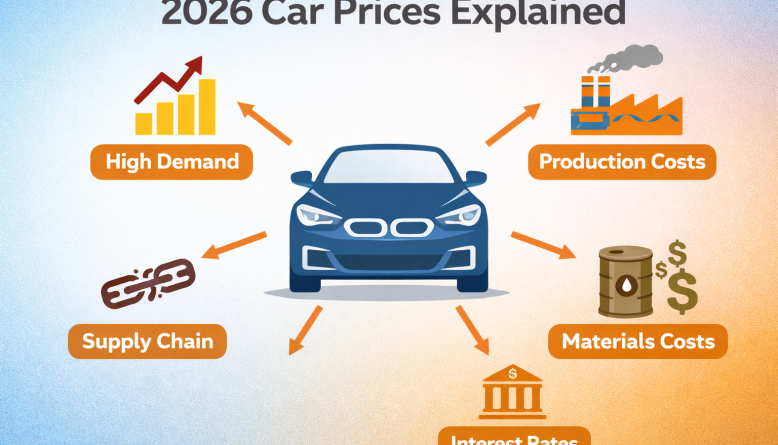
First, manufacturing costs never returned to pre-pandemic levels. Labor is more expensive, logistics are still fragile, and suppliers now price risk into every component. That cost rolls downhill—straight to buyers.
Second, technology creep is real. Features that were once optional—large touchscreens, advanced safety systems, over-the-air updates—are now baked into most trims. Even if you don’t care about them, you’re paying for them.
Third, automakers have learned a hard truth: selling fewer cars at higher margins works. Production volumes are lower than a decade ago, but profits are stronger. Discounts are rare, incentives are selective, and pricing power has shifted away from buyers.
Finally, government regulations and emissions standards have pushed automakers toward electrification. Whether it’s a hybrid system or EV-ready architecture, that engineering isn’t cheap—and it shows up in the final price.
This is the heart of 2026 new car price increase reasons, and it explains why prices keep climbing even when demand cools.
Common Mistakes Buyers Make in 2026
This is where a lot of money gets wasted.
One major mistake is overpaying for trims you don’t need. Top trims look tempting, but the jump in price rarely matches the real-world benefit. Heated seats and premium audio are nice; they’re not always worth thousands more.
Another is ignoring real-world fuel economy. EPA numbers look good on paper, but your commute, traffic, and driving style matter far more. A slightly more efficient car can save real money over time.
Buyers also often choose power over comfort, then regret it. A quicker engine sounds fun until harsher ride quality and higher insurance premiums show up.
And finally, too many people still trust marketing instead of usability. Flashy tech demos don’t always translate into intuitive daily use. Living with a car is very different from seeing it on a screen.
Best Picks by Buyer Type (Think Smarter, Not Bigger)
Instead of naming “best overall” cars, smart buying in 2026 means matching the car to the person.
For families, midsize hybrids and well-packaged crossovers make the most sense. They balance space, fuel efficiency, and resale value without chasing luxury pricing.
For commuters, compact hybrids or efficient sedans remain some of the best values in the market. They may not be trendy, but they’re financially sane.
For value-focused buyers, certified pre-owned vehicles shine. A two- or three-year-old car avoids the steepest depreciation while still offering modern tech.
For luxury comfort seekers, paying more can still make sense—but only if refinement, ride quality, and interior experience actually matter to you day-to-day.
For long-term ownership, simplicity wins. Proven powertrains and moderate tech age better than cutting-edge systems that may feel dated or expensive to fix.
New vs Used vs Certified Pre-Owned in 2026
Buying new in 2026 only makes sense if you plan to keep the car long enough to justify the premium—or if incentives quietly bring pricing closer to reality.
Used cars are no longer “cheap,” but depreciation still exists. The sweet spot remains vehicles that are two to four years old.
Certified Pre-Owned (CPO) often offers the best balance. You get warranty protection, lower upfront cost, and fewer unknowns. In a market defined by high prices, CPO is one of the few buyer-friendly options left.
Depreciation hasn’t disappeared—it’s just delayed. Let someone else take the first hit if you can.
Ownership Costs & Long-Term Considerations
This is where 2026 car affordability analysis becomes real.
Maintenance costs are higher, especially for vehicles packed with tech. Reliability matters more than ever, because repairs now cost more than they used to.
Insurance premiums have climbed alongside vehicle values. A more expensive car almost always means higher monthly insurance bills.
Resale value still matters, but it’s less predictable than before. Some vehicles hold value well; others drop fast once newer tech arrives.
Fuel and charging costs vary wildly depending on location. EV savings depend entirely on access and electricity pricing—not just the car itself.
Alternatives Worth Considering
Sometimes the best move is changing the category entirely.
A well-equipped sedan can cost significantly less than a comparable SUV. Wagons and hatchbacks—where available—offer space without SUV pricing penalties.
And sometimes, not upgrading at all is the smartest financial decision. Keeping a paid-off car another year or two can save more money than any negotiation tactic.
Not every popular option fits every buyer, and that’s okay.
Final Buying Advice: Spend Smarter, Not Faster
You should buy in 2026 if your current car no longer fits your life, your budget is stable, and you’ve done the math beyond the sticker price.
You should skip buying if you’re stretching financially or chasing features you don’t truly need.
The big takeaway: car prices in 2026 aren’t just higher—they’re structured differently. The smartest buyers aren’t looking for cheap cars anymore. They’re looking for cars that make sense.
Spend with intention, not pressure. That’s how you win in this market.

No Responses Yet