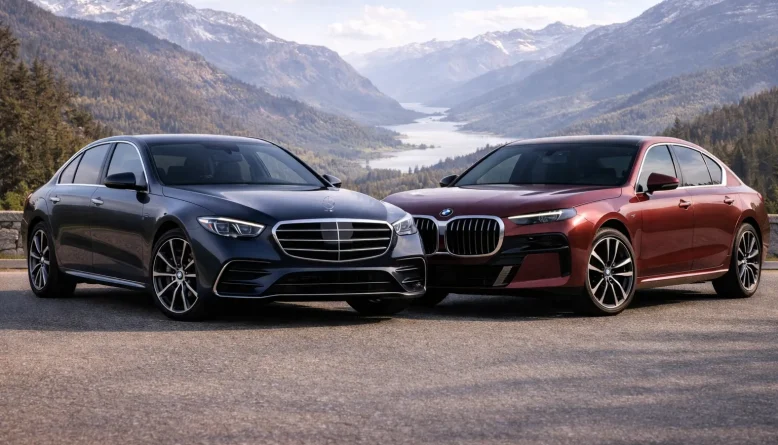
A clear answer to the 2026 Mercedes-Benz S-Class vs BMW 7 Series comparison is that both remain at the top of the full-size luxury sedan segment, but they appeal to different definitions of luxury ownership. As of now, complete and final 2026 specifications, pricing, powertrain lineups, and official fuel economy ratings have not been fully published for either model. What can be evaluated with confidence is how each nameplate has historically delivered comfort, technology, performance character, and long-term ownership experience. For buyers already cross-shopping these flagships, those established patterns are more decisive than incremental model-year updates.
Buyer Context and Market Positioning
The buyer comparing a 2026 Mercedes-Benz S-Class vs BMW 7 Series is typically not new to luxury ownership. This is often an executive, entrepreneur, or long-term luxury buyer replacing an older flagship sedan or cross-shopping against high-end SUVs. The comparison matters because these vehicles represent two distinct philosophies at the top of the market.
The S-Class has traditionally positioned itself as the benchmark for ride comfort, isolation, and technological leadership. The 7 Series has historically emphasized driver engagement and performance balance while still delivering full-size luxury credentials. When asking which should you buy, the decision often reflects whether the vehicle will be primarily chauffeur-driven, self-driven, or expected to do both equally well.
Pricing, Trims, and Real-World Value
Official 2026 MSRP ranges and trim structures have not yet been confirmed for either model. Historically, both vehicles have carried high entry prices with steep increases as options are added. The S-Class has often structured its lineup around a smaller number of trims with extensive optional equipment, while BMW has traditionally offered more distinct trim and powertrain differentiation.
From a real-world value standpoint, S-Class buyers often spend significantly above base price once desired comfort and technology features are added. BMW buyers may see a wider spread in transaction prices depending on whether performance-oriented configurations are selected. Over time, resale value has tended to favor the S-Class slightly in many markets, though both vehicles experience significant depreciation typical of the segment.
Powertrain, Performance, and Efficiency
Final 2026 powertrain details remain unconfirmed. Historically, both the S-Class and 7 Series have offered a range of turbocharged six- and eight-cylinder engines, often paired with mild-hybrid systems. These setups prioritize smooth power delivery and effortless acceleration rather than aggressive performance tuning.
In everyday driving, the S-Class has typically delivered seamless acceleration with minimal drivetrain sensation, reinforcing its comfort-first mission. The 7 Series has historically offered quicker throttle response and more noticeable driver feedback, particularly during highway passing and merging. Fuel economy ratings for 2026 are not yet available, and buyers should avoid assuming improvements until official data is released.
Ride Quality, Handling, and Driving Character
Ride quality remains one of the most important distinctions in this comparison. The S-Class has long set the standard for ride isolation, absorbing road imperfections in a way that minimizes driver and passenger fatigue. Body motions are carefully controlled, but the emphasis remains on serenity rather than engagement.
The BMW 7 Series typically feels firmer and more connected to the road. Steering response and chassis balance tend to encourage driver involvement, even in a vehicle of this size. For owners who spend significant time behind the wheel, this difference can meaningfully affect long-term satisfaction.
Interior Quality, Comfort, and Usability
Interior execution reflects each brand’s priorities. The S-Class cabin has historically focused on creating a calm, lounge-like environment, with an emphasis on ambient lighting, seat comfort, and noise suppression. Controls and interfaces aim to reduce effort rather than invite interaction.
The 7 Series interior has traditionally blended luxury with a more technical aesthetic. Seating comfort remains excellent, but the driving position and control layout often feel more performance-oriented. Over long ownership periods, the S-Class tends to reward buyers who value relaxation, while the BMW appeals to those who remain actively engaged while driving.
Infotainment, Technology, and Driver Assistance
Technology leadership has long been central to both vehicles. Final details for 2026 systems are not fully published, so comparisons must rely on established trends. Mercedes-Benz has historically introduced new technology earlier, often setting benchmarks that later filter down to other segments.
BMW has emphasized intuitive operation and driver-focused ergonomics, sometimes lagging slightly in feature debut but excelling in usability. For long-term ownership, the question becomes whether cutting-edge features enhance daily life or introduce complexity as vehicles age.
Space, Practicality, and Daily Use
Both vehicles offer generous rear-seat space and strong comfort for passengers. The S-Class has often prioritized rear-seat amenities and ride comfort, making it particularly attractive for buyers who are frequently driven.
The 7 Series typically offers comparable space but feels more balanced between front and rear occupants. Trunk space and daily practicality are sufficient in both, though neither is chosen primarily for cargo flexibility.
Safety and Reliability Considerations
Official crash-test ratings for the 2026 model year are not yet available. Historically, both models have included comprehensive active and passive safety systems, often exceeding regulatory requirements.
Reliability perceptions differ. Mercedes-Benz flagship models have historically introduced complex systems early, which can increase long-term maintenance risk. BMW’s reliability record has varied by generation and powertrain. Buyers concerned with long-term dependability should consider extended warranties and service plans as part of the ownership strategy.
Ownership Costs and Long-Term Perspective
Fuel, maintenance, insurance, and depreciation dominate ownership costs in this segment. Without confirmed 2026 efficiency data, fuel cost comparisons remain speculative. Maintenance and repair costs are historically high for both vehicles, reflecting their complexity and positioning.
Depreciation remains significant regardless of brand, though the S-Class has often retained value slightly better in certain markets. Long-term ownership satisfaction depends heavily on expectations, service experience, and tolerance for complexity rather than raw cost alone.
Verdict: Which Buyer Should Choose Which Car
In the 2026 Mercedes-Benz S-Class vs BMW 7 Series comparison, the S-Class best suits buyers who prioritize ride comfort, isolation, and a traditional definition of flagship luxury. The BMW 7 Series is better aligned with buyers who value performance balance, driver engagement, and a more active driving role.
Neither vehicle represents a compromise when chosen for the right reasons. The correct decision depends on how the car will be used day to day and which luxury philosophy aligns more closely with the owner’s priorities over years of ownership.
No Responses Yet