
As the 2026 model year approaches, two names continue to dominate conversations in the compact SUV segment: Toyota RAV4 and Honda CR-V. Both are bestsellers in the United States and increasingly important in European markets, where efficiency, practicality, and long-term ownership costs matter as much as brand reputation.
While neither model year has fully launched at the time of writing, enough confirmed information, manufacturer signals, and historical product patterns are available to make a grounded comparison. This article separates what is confirmed from what is strongly indicated, and places both vehicles in the broader context of the 2026 new car releases confirmed so far across the US and Europe.
For buyers researching 2026 cars coming to USA and Europe, this matchup remains one of the most relevant.
Why the 2026 RAV4 vs CR-V Comparison Matters
Compact SUVs sit at the center of the global car market. They are often the default choice for families, commuters, and downsizers alike. Toyota and Honda know this, which is why both brands tend to evolve their core models cautiously rather than radically.
For 2026, the question isn’t which SUV is entirely new, but which one best reflects buyer priorities in a changing market—fuel efficiency, interior technology, long-term reliability, and total ownership cost. This makes the 2026 Toyota RAV4 vs Honda CR-V comparison especially relevant for practical buyers rather than early adopters.
Design & First Impressions
Toyota RAV4 (2026 – Expected Updates)
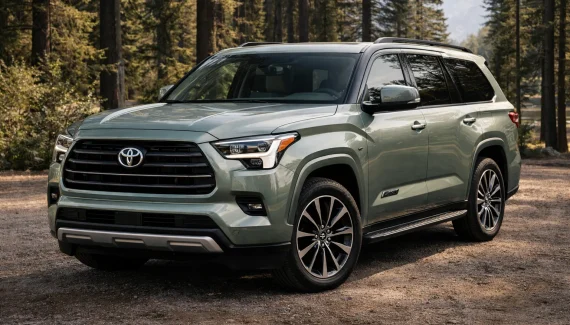
Toyota has not officially revealed a fully redesigned 2026 RAV4. However, based on Toyota’s typical lifecycle strategy, the model is expected to receive subtle exterior revisions, possibly refining the grille design and lighting signatures rather than reinventing the shape.
The current RAV4 design leans toward a more rugged, outdoors-oriented image. This approach has resonated well in North America and parts of Europe, especially among buyers who want an SUV that looks capable even if it rarely leaves paved roads.
Honda CR-V (2026 – Continuation of Current Generation)
The Honda CR-V entered a new generation recently, which suggests that the 2026 model will likely remain visually similar. Honda’s design language emphasizes clean lines and a more urban-friendly appearance.
In side-by-side impressions, the CR-V tends to feel slightly more understated, while the RAV4 projects a tougher personality. Neither approach is objectively better, but brand identity plays a clear role in buyer preference.
Performance & Driving Experience
Real-World Driving Focus
Neither Toyota nor Honda is expected to chase headline-grabbing performance numbers for 2026. Instead, both brands prioritize smooth power delivery, predictable handling, and everyday usability.
- The RAV4 traditionally feels slightly firmer on the road, with steering tuned to inspire confidence at highway speeds.
- The CR-V, by contrast, often delivers a more refined ride in urban settings, absorbing bumps with less harshness.
For most buyers, the difference will be felt more in ride character than outright speed. Those spending long hours in city traffic may appreciate the CR-V’s comfort bias, while frequent highway drivers may lean toward the RAV4’s planted feel.
Interior Space & Practicality
Passenger Comfort
Interior space remains a deciding factor in the 2026 Toyota RAV4 vs Honda CR-V interior space discussion. Historically, the CR-V has had a slight edge in rear legroom and overall cabin openness, especially noticeable on longer trips.
Toyota counters with durable materials and a layout that favors function over flair. For families with child seats or frequent cargo needs, both vehicles remain among the most practical options in the compact SUV class.
Cargo & Daily Usability
Both SUVs are designed around everyday life—groceries, strollers, sports gear. Honda’s flat load floor and wide tailgate opening have long been a selling point. Toyota’s cargo area, while marginally smaller in some configurations, compensates with robust roof load options and hybrid availability.
Technology & Safety Features
Infotainment & Usability
Toyota and Honda have both improved infotainment usability in recent years, responding to criticism about leggy systems and confusing menus.
- The 2026 RAV4 is expected to continue refining Toyota’s latest infotainment interface, focusing on responsiveness and smartphone integration.
- The 2026 CR-V already benefits from Honda’s updated system, which prioritizes simplicity over visual flash.
From a buyer psychology standpoint, ease of use often matters more than screen size. On that front, Honda still holds a slight advantage.
Driver Assistance
Both models are expected to include comprehensive safety suites as standard or near-standard equipment. This aligns with broader regulatory pressure in Europe and growing consumer expectations in the US.
Fuel Economy & Efficiency
Efficiency remains central to the 2026 RAV4 vs CR-V fuel economy comparison, particularly as fuel prices remain unpredictable in both regions.
- Toyota’s strength lies in its hybrid systems, which are widely regarded as reliable and efficient in real-world use.
- Honda’s hybrid offerings have improved significantly, emphasizing smooth transitions between electric and gasoline power.
For buyers prioritizing long-term fuel savings, Toyota’s hybrid experience may still feel more mature, especially in markets where hybrids outsell traditional gasoline variants.
Pricing, Ownership & Long-Term Value
Pricing Positioning
Neither brand is expected to disrupt pricing dramatically for 2026. Instead, modest increases aligned with inflation and added technology are more likely.
From a 2026 Toyota RAV4 vs Honda CR-V price and features standpoint, the two models will remain closely matched, with differences emerging more clearly at higher trim levels.
Reliability & Maintenance
The 2026 RAV4 vs CR-V reliability and maintenance cost discussion often favors Toyota slightly, largely due to its long-standing reputation for durability and conservative engineering choices. Honda, however, remains highly competitive, particularly in markets where dealer networks and service costs are favorable.
Resale value is another area where both brands perform strongly, making either SUV a relatively safe long-term investment.
Pros and Cons Summary
Toyota RAV4 – Strengths
- Strong hybrid efficiency credentials
- Rugged design appeal
- Consistently high resale value
Toyota RAV4 – Trade-offs
- Interior design may feel more functional than premium
- Ride can feel firmer on rough urban roads
Honda CR-V – Strengths
- Excellent cabin space and comfort
- User-friendly infotainment system
- Refined ride quality
Honda CR-V – Trade-offs
- Less adventurous exterior styling
- Hybrid reputation still catching up to Toyota’s legacy
Final Verdict: Which One Should You Choose?
So, 2026 Toyota RAV4 vs Honda CR-V — which is better? The answer depends less on specifications and more on lifestyle priorities.
- Choose the RAV4 if fuel efficiency, hybrid maturity, and long-term resale value are high on your list.
- Choose the CR-V if interior comfort, ease of use, and daily driving refinement matter most.
In the context of all 2026 cars confirmed so far, this matchup highlights how incremental evolution—rather than radical reinvention—continues to define the compact SUV segment. For most buyers in the US and Europe, either choice remains a sensible, low-risk decision in an increasingly complex automotive market.

No Responses Yet