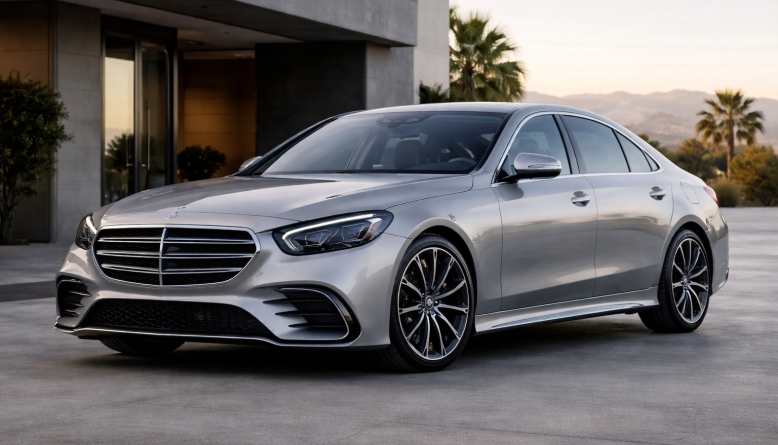
The 2027 Mercedes-Benz S-Class facelift is shaping up to be a carefully calibrated update rather than a dramatic reset, and that’s very much by design. As Mercedes-Benz navigates rapid changes in luxury-car technology and shifting buyer expectations in the US and Europe, its flagship sedan is due for a mid-cycle refresh that prioritizes refinement, software maturity, and competitive positioning over headline-grabbing changes.
Here’s what can be said with confidence at this stage—and what still requires patience.
Why the 2027 Mercedes-Benz S-Class Facelift Is on the Radar
The current generation of the Mercedes-Benz S-Class arrived with bold digital ambitions and a clear message: traditional luxury would now coexist with large screens and software-led features. A few years into its lifecycle, the market conversation has shifted. Rivals have caught up quickly, buyers are more critical of in-car tech usability, and Mercedes itself has refined its approach.
That combination explains why interest in the 2027 update has intensified, even without an official unveiling.
What’s Confirmed So Far
Mercedes-Benz has not released full details, but several points are effectively confirmed through official statements and established product planning:
- A mid-cycle refresh is coming. Mercedes-Benz has publicly acknowledged that the current S-Class will receive a facelift consistent with its typical lifecycle timing.
- The S-Class remains the brand’s technology flagship. Executives have reiterated that new driver assistance features and software improvements will debut here before filtering down.
- Software development is a priority. Mercedes’ broader strategy emphasizes over-the-air updates and digital refinement, which directly informs the direction of this update.
These confirmations matter because they suggest the facelift is less about changing what the S-Class is, and more about polishing how it delivers on its promise.
What’s Expected, Based on Industry Patterns
Looking at previous S-Class facelifts and recent Mercedes updates elsewhere in the lineup, several trends stand out.
Design Direction
Exterior changes are expected to be subtle and evolutionary. Historically, Mercedes avoids altering the S-Class silhouette mid-cycle. Updated lighting signatures and mild front and rear revisions are more likely than a full redesign, preserving brand continuity and resale confidence.
Interior and Technology
A 2027 S-Class interior technology update is widely anticipated. This likely centers on a newer MBUX software generation with improved responsiveness and smarter voice interaction. From a usability standpoint, that matters more than adding screens. Many owners value systems that feel intuitive years later, not just impressive on day one.
Powertrain Approach
Rather than introducing new engines, Mercedes is expected to refine existing gasoline and hybrid options. This aligns with tightening European emissions standards and the brand’s steady shift toward electrification without alienating traditional S-Class buyers.
What’s Still Unknown—and Why
Several critical details remain undisclosed, including:
- Final exterior styling changes,
- The full scope of driver assistance upgrades,
- Market-specific standard equipment,
- Final pricing strategy.
Automakers typically lock these elements late in the process. Pricing, in particular, depends heavily on currency trends, regulatory costs, and competitor positioning—especially important for a car where buyers scrutinize value alongside prestige.
Timeline and Possible Release Window
Based on previous launch cycles, industry expectations suggest the following rough timeline:
This staggered rollout reflects regulatory and production realities rather than favoritism between markets.
Market Impact and Competitor Context
The refreshed S-Class will continue to target buyers who value comfort, status, and long-term ownership satisfaction. Its most obvious benchmark remains the BMW 7 Series, making any 2027 S-Class vs BMW 7 Series comparison as much about software experience and ride quality as raw specifications.
In that context, the facelift’s success may hinge less on what’s new and more on how well existing features have been refined.
What Buyers Should—and Shouldn’t—Expect
Who should consider waiting:
Buyers focused on the latest infotainment refinements and driver assistance improvements may find the facelift worth waiting for, especially if they plan long-term ownership.
Who may not need to wait:
Those prioritizing comfort, brand reputation, and a proven luxury formula may find today’s S-Class already satisfies their needs. From a real-world perspective, the core experience is unlikely to change dramatically.
Ultimately, whether the 2027 Mercedes-Benz S-Class is worth it will depend on how much value a buyer places on incremental technology upgrades.
Closing Takeaway
The 2027 Mercedes-Benz S-Class facelift appears set to deliver measured, thoughtful improvements, not a reinvention. That approach fits the S-Class ethos—and the expectations of its buyers—remarkably well.
As official details emerge closer to the expected reveal, the focus will be on how effectively Mercedes balances innovation with the calm, confidence that has long defined its flagship sedan.
No Responses Yet