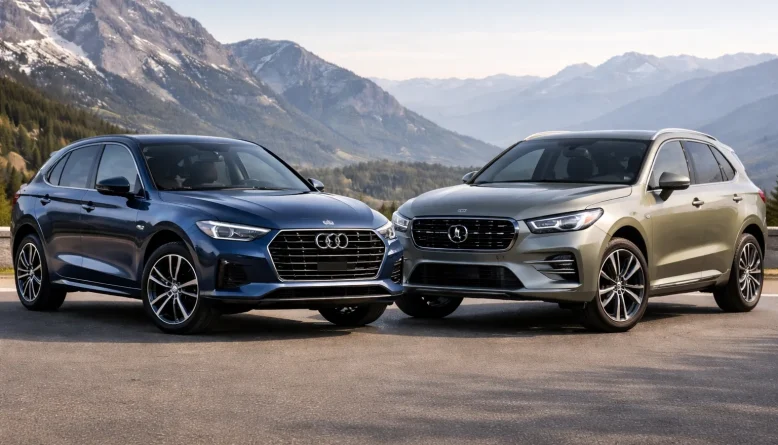
The 2024 Audi Q5 vs Volvo XC60 ownership comparison comes down to how two premium compact SUVs interpret long-term luxury, safety, and everyday usability. Both appeal to buyers who want a refined driving experience without stepping into a larger midsize SUV, yet ownership differences emerge in ride tuning, interior philosophy, powertrain strategy, and how each brand approaches safety and technology over time. For serious buyers already cross-shopping alternatives, this comparison matters because these vehicles are often chosen for multi-year ownership, not short-term appeal.
Buyer Context and Market Positioning
Buyers comparing the 2024 Audi Q5 vs Volvo XC60 typically want a compact luxury SUV that balances comfort, performance, and brand credibility. This is a Car A vs Car B decision in a highly competitive global segment, where expectations extend beyond badge value to daily refinement and long-term satisfaction.
The Q5 positions itself as a well-rounded, driver-friendly option with understated design and predictable behavior. The XC60 targets buyers who prioritize safety leadership, distinctive Scandinavian design, and a calmer driving experience. When asking which should you buy, the answer often hinges on whether you value driving engagement and interior precision or comfort and safety-first design.
Pricing, Trims, and Real-World Value
In the United States, both the 2024 Audi Q5 and 2024 Volvo XC60 start in the mid-$40,000 range before destination, depending on powertrain. Canadian and European pricing follows similar relative positioning, adjusted for taxes, incentives, and standard equipment differences.
At comparable price points, the Q5 often includes a balanced mix of comfort, technology, and performance features, though many desirable options are bundled into packages. The XC60’s trim structure emphasizes powertrain choice, particularly with its mild-hybrid and plug-in hybrid options, which can significantly affect pricing.
Real-world value depends on how the vehicle is used. Buyers interested in electrified driving and short-distance electric-only commuting may find stronger value in the XC60 lineup. Those seeking a straightforward gasoline luxury SUV experience may prefer the Q5’s simpler configurations.
Powertrain, Performance, and Efficiency
Powertrain strategy shapes much of the 2024 Audi Q5 vs Volvo XC60 ownership experience. The Q5 uses a turbocharged four-cylinder engine with mild-hybrid assistance, paired with a dual-clutch automatic transmission and standard all-wheel drive. Power delivery is smooth and responsive, especially during highway merging and passing.
The XC60 also offers turbocharged four-cylinder engines, with mild-hybrid systems standard in many markets and a plug-in hybrid variant available. Acceleration in gasoline models feels adequate rather than sporty, while the plug-in hybrid prioritizes efficiency and low-speed electric operation over outright performance.
In everyday driving, the Q5 feels more eager and composed under acceleration. The XC60 emphasizes smoothness and quiet operation, particularly in urban traffic. Fuel economy figures are competitive for both, though plug-in hybrid efficiency depends heavily on charging habits.
Ride Quality, Handling, and Driving Character
Driving character separates these two SUVs clearly. The Audi Q5 delivers a controlled, balanced ride with precise steering and minimal body roll. It feels confident on highways and composed on winding roads without becoming harsh.
The Volvo XC60 focuses on comfort and isolation. Suspension tuning absorbs road imperfections effectively, and the cabin remains calm even on rough surfaces. Steering is lighter and less communicative, reinforcing its relaxed driving personality.
Both handle long-distance cruising well, though the Q5 feels more engaging behind the wheel, while the XC60 prioritizes passenger comfort and serenity.
Interior Quality, Comfort, and Usability
Interior execution reflects each brand’s identity. The Q5 interior emphasizes precision and build quality, with logically arranged controls and high-quality materials. Seating comfort is strong, and the driving position feels natural for extended trips.
The XC60 interior favors design and atmosphere. Materials feel premium, and the cabin has a distinctive, airy character. Seats are among the most comfortable in the segment, particularly for long drives.
Cabin noise levels are low in both, though the XC60 maintains a slight advantage in overall quietness. Visibility is good in each, though the XC60’s thicker pillars can affect certain angles.
Infotainment, Technology, and Driver Assistance
Both vehicles offer modern infotainment systems with standard smartphone integration. Audi’s system emphasizes clarity and physical control integration, which reduces reliance on touch inputs while driving.
Volvo’s system integrates more functions into the central screen, including climate controls. While visually clean, this approach can require more attention in daily use.
Driver assistance systems are comprehensive in both vehicles. Volvo’s safety systems intervene earlier and more assertively, reflecting its safety-first philosophy. Audi’s systems feel more restrained and driver-oriented once calibrated.
Space, Practicality, and Daily Use
Rear-seat space is adequate for adults in both vehicles, with similar legroom and headroom. Cargo capacity is competitive, and both offer well-shaped load areas suitable for daily errands and travel.
Loading height and rear access are easy, and child-seat installation is straightforward in both. Practical differences are minor and unlikely to determine the final decision.
Safety and Reliability Considerations
Safety is a major strength for both models. Each earns strong crash-test ratings where evaluated and includes extensive standard safety equipment.
Reliability data for the 2024 model year is still developing. Historically, both brands show average reliability in this segment, with ownership experience influenced significantly by maintenance practices and dealer support quality. Warranty coverage varies by region, with Volvo often offering longer electrified component coverage for plug-in hybrid systems.
Ownership Costs and Long-Term Perspective
Fuel costs depend on powertrain choice and driving habits. Plug-in hybrid XC60 models can reduce fuel usage significantly for short trips with regular charging. Maintenance costs align with luxury-segment expectations for both vehicles.
Depreciation trends vary by market, though both models typically retain value competitively within the luxury compact SUV class. Dealer network strength is solid globally for both brands.
Verdict: Which Buyer Should Choose Which Car
The 2024 Audi Q5 vs Volvo XC60 ownership decision depends on how you define luxury in daily life. Buyers who value balanced performance, precise controls, and a subtly sporty feel will likely prefer the Q5. It suits owners who enjoy driving involvement without sacrificing comfort.
The XC60 is better suited to buyers who prioritize safety leadership, ride comfort, and distinctive interior design. It appeals to those who want their SUV to feel calm, protective, and refined above all else.
Neither vehicle is a universal winner. The right choice reflects whether your ownership priorities lean toward engagement or serenity over the long term.
No Responses Yet