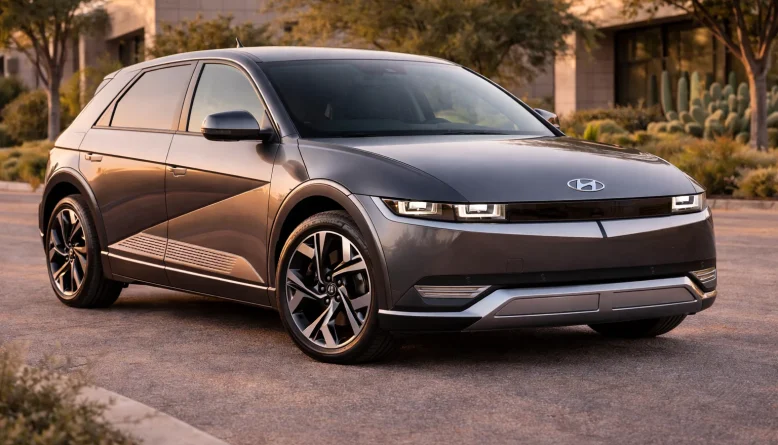
Living with an EV in 2026 is less about acceleration bragging rights and more about trust. Trust that the range you see is the range you get. Trust that charging will not derail a normal week. Trust that software updates improve the car instead of complicating it. The 2026 Hyundai Ioniq 5 matters because it sits squarely in the middle of that trust equation, aiming to be the EV you stop thinking about once it becomes part of daily life.
Overview
The 2026 Hyundai Ioniq 5 continues to define what a mainstream electric crossover should feel like. It avoids extremes and instead prioritizes balance. Size, range, charging speed, and price all land in sensible territory. That restraint is precisely why it remains relevant as newer EVs chase bigger numbers and louder headlines.
What’s New
Updates for 2026 focus on refinement rather than reinvention. Hyundai has tightened software logic, improved efficiency calibration, and adjusted driver-assistance behavior to feel less intrusive. Hardware changes are minimal, signaling confidence in the existing platform rather than stagnation.
Exterior
The exterior design still feels fresh. Sharp creases, pixel-inspired lighting, and clean surfaces give the Ioniq 5 a distinctive look without feeling gimmicky. Its upright stance improves visibility, and the proportions make it easy to place in tight urban environments.
Interior
The cabin emphasizes space and openness. The flat floor and long wheelbase create a relaxed driving position, and outward visibility remains excellent. Front seats are supportive without being overly firm, and rear-seat legroom remains a strong point for families.
Interior & Build Quality
Build quality has aged well. Materials are durable, and assembly consistency inspires confidence for long-term ownership. While some surfaces lack premium flair, the overall execution feels honest and robust rather than cost-cut.
Infotainment & Technology
The infotainment system is more polished than before. Screen responsiveness has improved, and menu logic is easier to navigate. Over-the-air updates now integrate smoothly, reducing the friction early adopters once experienced. Physical buttons for key functions remain a welcome decision.
Powertrain / Motor & Battery – 2026 Hyundai Ioniq 5
The powertrain in the 2026 Hyundai Ioniq 5 prioritizes predictability. Motor response is linear, and battery management favors consistency over dramatic swings in displayed range. This approach reduces anxiety and builds confidence over time, especially for new EV owners.
Performance
Performance feels appropriate rather than excessive. Acceleration is quick enough for confident merges and passing, yet power delivery remains easy to control in traffic. The chassis feels stable at speed, and steering response favors calm precision over sportiness.
Efficiency / Range – 2026 Hyundai Ioniq 5
Real-world range aligns closely with expectations. Mixed driving delivers dependable results, while highway travel shows predictable consumption increases. Cold weather does reduce range, but not to the point of undermining daily usability.
Charging & Real-World Use
Charging remains one of the Ioniq 5’s standout attributes. Fast-charging performance is consistent, and the charging curve avoids abrupt slowdowns. Home charging covers most daily needs, while public fast chargers restore meaningful range quickly enough to keep longer trips manageable.
Safety
The Ioniq 5 feels composed in emergency situations. Braking is strong and predictable, and the vehicle maintains stability during sudden maneuvers. Passive safety design blends reassurance with unobtrusive execution.
Driver Assistance
Driver-assistance systems feel more mature. Adaptive cruise control operates smoothly, and lane-keeping assistance avoids the abrupt corrections that frustrate some drivers. These features support rather than dominate the driving experience.
Trims, Options & Pricing
Trim levels are clearly differentiated. Base versions deliver the essential EV experience without feeling stripped, while higher trims focus on comfort and convenience rather than unnecessary complexity. Value depends heavily on incentives and charging access rather than feature overload.
Release Date
Hyundai has not confirmed a specific release date for the 2026 Hyundai Ioniq 5. Current information suggests it is expected arriving in early 2026, depending on market rollout and production timing.
Key Pros & Cons
Pros include consistent real-world range, strong and reliable fast-charging performance, spacious interior packaging, predictable power delivery, well-calibrated driver-assistance systems, and a design that continues to age gracefully.
Cons include interior materials that stop short of premium expectations, noticeable range loss at sustained highway speeds, a software interface that still requires adjustment time, reliance on public charging for longer trips, resale values sensitive to rapid EV market changes, and limited towing capability.
Competitors / Rivals
Key rivals include the Tesla Model Y, Kia EV6, Volkswagen ID.4, and Ford Mustang Mach-E. Some offer more performance or brand cachet, but few match the Ioniq 5’s balance of charging speed, interior space, and day-to-day usability.
Final Verdict
The 2026 Hyundai Ioniq 5 remains one of the most rational EV choices available. It does not chase extremes or rely on gimmicks. Instead, it delivers a calm, predictable, and genuinely livable electric experience. For buyers who want an EV that fits into real life rather than reshaping it, the Ioniq 5 continues to make a compelling case.

No Responses Yet