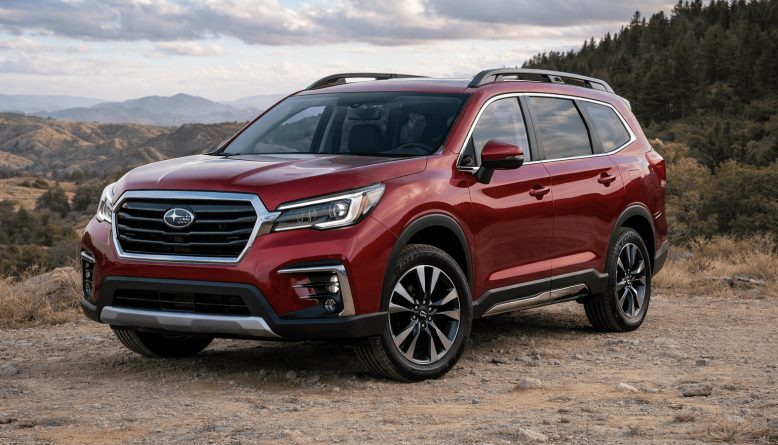
For buyers shopping three-row SUVs, the dilemma usually emerges within the first week of ownership rather than the test drive. Vehicle size brings weight, which affects fuel economy. All-wheel drive adds confidence, but also complexity and cost. Turbocharged engines promise usable torque, yet raise questions about long-term durability under load. The 2026 Subaru Ascent sits directly in this tension. It targets families who value traction, predictable behavior, and interior space over outright refinement or efficiency, and buyers cross-shopping it against mainstream gas-powered rivals want to know whether those priorities still make sense today.
Market Position and Purpose
The 2026 Subaru Ascent occupies the upper end of Subaru’s lineup and competes in the crowded midsize three-row SUV segment. It sits above the Outback in size and price, offering seating for up to eight and standard all-wheel drive across all trims. Pricing typically undercuts premium-branded rivals but overlaps heavily with mainstream competitors such as the Toyota Highlander, Honda Pilot, and Mazda CX-90.
From a product-planning standpoint, the Ascent exists to retain Subaru loyalists who need more space but still prioritize all-weather capability. It is not engineered to be the quietest or most efficient SUV in its class. Instead, it focuses on predictable traction, family-friendly packaging, and straightforward ownership.
What’s New
As of now, Subaru has not released confirmed, model-year-specific changes for the 2026 Ascent. No verified updates to the powertrain, suspension tuning, or drivetrain configuration have been announced. If the vehicle carries over largely unchanged, that continuity matters for buyers because the Ascent’s core hardware is already well understood. It also means buyers should not expect meaningful improvements in efficiency, performance, or cabin technology unless Subaru confirms them closer to release.
The Exterior
The Ascent’s exterior design prioritizes function over flair. Its upright stance and relatively large glass area contribute to good outward visibility for a vehicle of this size. Ride height strikes a balance between ease of entry and ground clearance, making it manageable for daily use without feeling truck-like.
Wheel and tire sizes vary by trim, with larger wheels affecting ride compliance more than appearance. Aerodynamics are secondary to packaging, and in real-world driving, the Ascent’s shape contributes to higher highway fuel consumption compared with sleeker rivals.
Real-World Driving Experience
In everyday driving, the Ascent feels substantial and stable rather than agile. Throttle response from the turbocharged engine is tuned conservatively, which helps smooth low-speed driving but can introduce a brief delay when accelerating from a stop. The continuously variable transmission prioritizes smoothness over responsiveness, keeping engine speeds consistent during gentle inputs.
Steering is light and predictable, though feedback is limited. Ride quality favors compliance over body control, absorbing rough pavement well but allowing noticeable lean in corners. Braking performance is consistent, with a firm pedal feel that suits family use.
Performance
The Ascent uses a turbocharged 2.4-liter four-cylinder engine producing 260 horsepower, paired with standard all-wheel drive. In real-world conditions, acceleration is adequate rather than brisk. Merging onto highways and passing slower traffic requires planning, especially with a full load of passengers or cargo.
At higher elevations, the turbocharger helps maintain power better than naturally aspirated rivals, which is a meaningful advantage for buyers in mountainous regions. Performance remains usable, but never feels effortless.
Powertrain Behavior and Efficiency in Daily Use
Fuel economy ratings for the Ascent typically fall in the low 20-mpg combined range, depending on trim and wheel size. In practice, real-world results often land slightly below EPA estimates, particularly in city driving where vehicle weight and AWD drag become more apparent.
The CVT behaves predictably in traffic, avoiding abrupt shifts. Under heavy throttle, engine noise becomes more noticeable as revs rise and hold. For owners, efficiency consistency matters more than headline numbers, and the Ascent delivers predictable, if unremarkable, results.
Interior Design, Ergonomics, and Vehicle-Specific Technology
The Ascent’s interior emphasizes practicality. Seating comfort is good in the first two rows, with supportive cushions and an upright driving position. The third row is usable for adults on shorter trips, though space tightens on longer drives.
Controls are logically arranged, with physical buttons for frequently used functions. Materials quality varies by trim, ranging from durable plastics to more upscale finishes in higher trims. Visibility from the driver’s seat remains a strong point, reinforcing confidence in daily use.
Infotainment and Technology
Subaru’s infotainment system prioritizes simplicity over sophistication. Screen responsiveness is adequate, though menu transitions can feel slower than some competitors. Smartphone integration works reliably, which reduces dependence on native navigation. Long-term owner feedback has highlighted occasional software lag, but overall system stability remains acceptable.
Driver Assistance and Safety
Driver assistance features, including Subaru’s EyeSight system, are standard across the lineup. Adaptive cruise control operates smoothly, maintaining consistent following distances. Lane-centering assistance works best on well-marked highways and applies gentle corrections rather than aggressive steering.
In a taller vehicle like the Ascent, these systems feel calibrated for caution rather than assertiveness, which aligns with the SUV’s family-focused mission.
Ride Comfort, Noise Levels, and Long-Distance Behavior
Ride comfort is one of the Ascent’s strengths. The suspension absorbs road imperfections well, particularly at lower speeds. On the highway, wind and tire noise are present but not intrusive. Engine noise becomes more pronounced under load, especially during climbing or passing.
Over long distances, seating comfort and predictable behavior help limit fatigue, though the cabin is not as quiet as some newer rivals.
Practicality and Everyday SUV Ownership Scenarios
Cargo space is generous, particularly with the third row folded. The wide opening and low load floor make it easy to manage strollers, sports gear, or home improvement supplies. Ingress and egress are straightforward for passengers of all ages.
For daily commuting, the Ascent’s size is noticeable but manageable. Fuel stops occur more frequently than with hybrid competitors, but ownership remains straightforward. Towing capability is adequate for light trailers, aligning with typical family needs rather than heavy-duty use.
Trims, Options, and Pricing
The Ascent is typically offered in trims such as Base, Premium, Onyx Edition, Limited, and Touring. Pricing for previous model years has started in the mid-$30,000 range and extended into the mid-$40,000s for fully equipped versions. Official pricing for the 2026 Subaru Ascent has not yet been released and should be confirmed closer to launch.
Release Date
Subaru has not announced a confirmed release date for the 2026 Ascent. Availability is expected to follow Subaru’s standard model-year rollout schedule, but buyers should rely on official announcements.
Comparison With Direct Gas-Powered SUV Competitors
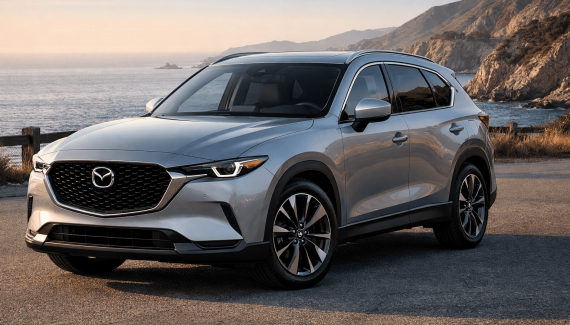
Buyers commonly cross-shop the Ascent with the Toyota Highlander, Honda Pilot, and Mazda CX-90. Compared with the Highlander, the Ascent offers standard AWD but lower efficiency. Against the Pilot, it emphasizes traction over interior refinement. Compared with the CX-90, it prioritizes predictability over driving engagement.
Strengths, Weaknesses, and SUV Ownership Trade-Offs
The Ascent’s strengths include standard all-wheel drive, good visibility, and practical interior space. Its weaknesses center on fuel efficiency, engine noise under load, and a less refined driving experience than newer competitors. Ownership trade-offs favor confidence and familiarity over innovation.
Conclusion and Buyer Guidance
The 2026 Subaru Ascent makes sense for buyers who prioritize all-weather capability, family practicality, and predictable ownership over efficiency or performance. It does not redefine the three-row SUV segment, but it delivers consistent results aligned with Subaru’s core values. Buyers seeking quieter cabins, better fuel economy, or sharper handling may find stronger alternatives elsewhere, but for straightforward, confidence-driven SUV ownership, the Ascent remains a rational choice.

No Responses Yet