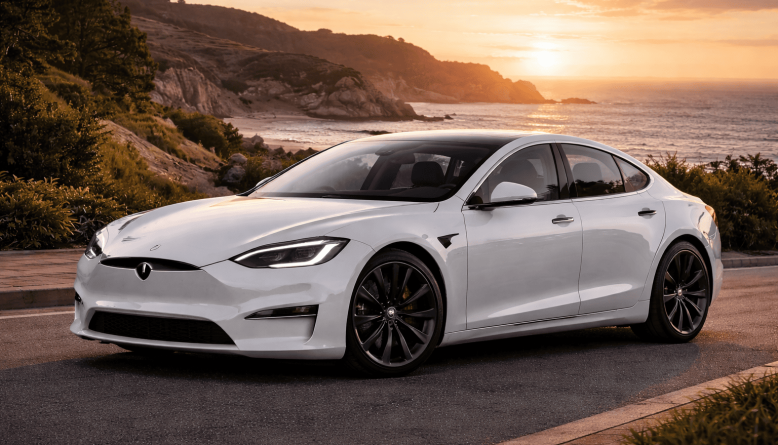
Buying a high-end EV in 2026 is no longer about proving electric viability. That question has been answered. The real dilemma now is whether an expensive EV still feels worth the money once the novelty wears off. Range anxiety has evolved into range realism. Charging trust matters more than peak numbers. Software polish and long-term ownership confidence carry real weight. The 2026 Tesla Model S sits at the center of that conversation, not because it is new, but because it once defined the segment it now has to defend.
Overview
The 2026 Tesla Model S remains Tesla’s flagship sedan and its most mature expression of the brand’s EV philosophy. It targets buyers who want speed, range, and access to Tesla’s charging ecosystem in a low-slung, performance-oriented package. What has changed is the market around it. Rivals now match or exceed its luxury ambitions, forcing the Model S to justify its price through real-world ownership rather than reputation alone.
What’s New
Tesla has not announced a ground-up redesign for the 2026 Tesla Model S. Updates are expected to be incremental, focusing on software refinements, efficiency tuning, and small hardware adjustments rather than visible changes. This approach aligns with Tesla’s pattern of continuous improvement, though it may feel underwhelming to buyers expecting a clear generational leap.
Exterior
The exterior design remains familiar and understated. The shape is aerodynamic and clean, but it no longer turns heads the way it once did. That works in its favor for buyers who prefer subtlety. For others, the lack of visual evolution may feel out of step with the price point.
Interior
Inside, the cabin continues Tesla’s minimalist philosophy. The driving position is low and comfortable, with excellent forward visibility. Rear-seat space remains usable for adults, though not generous. The large glass area creates an airy feel, which helps offset the sparse design language.
Interior & Build Quality
Build quality remains the Model S’s most debated trait. Panel gaps and material consistency have improved over time, but the interior still prioritizes simplicity over richness. Long-term owners tend to accept this tradeoff in exchange for performance and technology, though luxury-focused buyers may remain unconvinced.
Infotainment & Technology
The infotainment system remains a Tesla strength. The interface is fast, intuitive, and deeply integrated into vehicle functions. Over-the-air updates continue to add features and refinements, though occasional bugs remind owners that software leadership comes with growing pains. The learning curve is real, but most owners adapt quickly.
Powertrain / Motor & Battery
The powertrain options for the 2026 Tesla Model S are expected to carry over with familiar configurations. Battery capacity supports long-distance travel, and power delivery remains smooth and immediate. Tesla’s motor efficiency continues to be a competitive advantage, especially at highway speeds.
Performance
Performance remains a defining characteristic. Acceleration is effortless and repeatable, translating into easy highway merges and confident passing. In daily use, the speed feels less like a party trick and more like a practical asset, especially in mixed traffic conditions.
Efficiency / Range
Real-world range remains strong but sensitive to conditions. Highway speeds, cold weather, and aggressive driving all impact results noticeably. That said, the Model S still delivers dependable long-distance capability when driven with restraint. Range confidence is high, but it requires realistic expectations.
Charging & Real-World Use
Charging remains one of the Model S’s biggest advantages. Tesla’s Supercharger network continues to set the standard for reliability and ease of use. Charging speeds are competitive, though the curve tapers earlier than some newer rivals. Home charging remains essential for maximizing ownership satisfaction.
Safety
Safety performance remains solid. The low center of gravity contributes to stability, and crash protection inspires confidence. Visibility is generally good, though the reliance on cameras places added importance on software accuracy.
Driver Assistance
Driver assistance features remain polarizing. When working well, they reduce fatigue significantly. When they misinterpret conditions, they demand attention. Owners who understand the system’s limitations tend to have the best experience, treating it as assistance rather than autonomy.
Trims, Options & Pricing
Pricing for the 2026 Tesla Model S has not been officially announced. Expect it to remain firmly in the premium EV category, with limited customization compared to traditional luxury brands. Value depends heavily on how much the buyer prioritizes performance, software updates, and charging access over interior opulence.
Release Date
Tesla has not confirmed an exact release date for the 2026 Tesla Model S. Based on current information and Tesla’s typical production patterns, it is expected to arrive in early 2026. Any more precise timing has not been officially verified.
Key Pros & Cons
Pros include strong real-world range for long-distance travel. Supercharger network access simplifies road trips. Performance remains class-leading in daily use. Software updates keep the car feeling current. Low maintenance requirements benefit long-term ownership. Efficiency at highway speeds remains competitive.
Cons include interior quality that lags luxury rivals. Minimalist controls increase reliance on the touchscreen. Build consistency still varies. Cold-weather range loss is noticeable. Driver assistance behavior can feel inconsistent. Resale values fluctuate with Tesla pricing changes.
Competitors / Rivals
Direct rivals include the Porsche Taycan, Mercedes-Benz EQE and EQS sedans, and Lucid Air. Buyers cross-shopping these models typically weigh performance, charging confidence, interior quality, and brand experience. The Model S stands out through its charging ecosystem and software, not its cabin craftsmanship.
Final Verdict
The 2026 Tesla Model S is no longer the disruptor. It is the incumbent. For buyers who value range, performance, and charging simplicity above all else, it still makes a compelling case. For those seeking traditional luxury refinement, the gap has narrowed but not closed. The Model S remains a strong EV, but in 2026, choosing it is a deliberate preference rather than an obvious default.
No Responses Yet