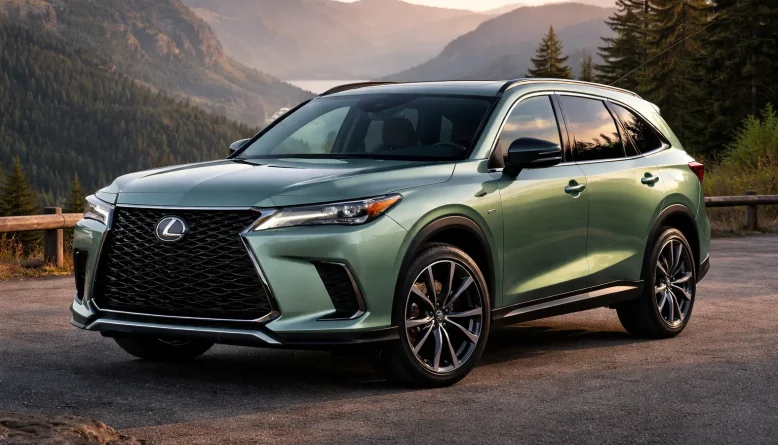
A buyer researching the 2026 Lexus TX review and ownership experience is usually trying to resolve a specific tension: whether paying a premium for Lexus refinement and reliability still makes sense when rivals promise more performance, flashier technology, or lower upfront pricing. This is not a casual browse. It is the position of someone already comparing vehicles like the Acura MDX, Volvo XC90, or Audi Q7 and trying to decide which compromises they are willing to live with for the next five to ten years.
Market Position and Purpose
The 2026 Lexus TX sits in the midsize three-row luxury SUV segment, positioned below full-size models like the Lexus LX but above compact luxury crossovers that struggle with third-row usability. From a product-planning standpoint, the TX exists to replace the role previously attempted by the RX L, but without the packaging compromises that defined that vehicle. Lexus designed the TX on a dedicated platform sized for three rows, which directly impacts ownership by improving passenger comfort, cargo flexibility, and overall usability. The purpose is clear: deliver a calm, efficient, family-oriented luxury SUV that prioritizes long-term satisfaction over performance-driven differentiation.
What’s New
As of now, Lexus has not released verified, model-year-specific updates for the 2026 Lexus TX. There are no confirmed changes to exterior design, interior layout, powertrains, battery capacity, software features, safety systems, or pricing that are specific to the 2026 model year. Any discussion beyond confirmed carryover status would be speculative, and Lexus has not published official documentation detailing updates for this model year.
Exterior and Daily Usability
The TX’s exterior design emphasizes proportion and visibility rather than aggressive styling. The longer wheelbase compared to earlier Lexus three-row attempts directly improves rear door opening size and third-row access, which matters in daily family use. Sightlines from the driver’s seat remain relatively open for a vehicle of this size, aided by a moderate beltline and upright glass area. Wheel and tire sizing varies by trim, but Lexus generally avoids ultra-low-profile tires, which benefits ride comfort and reduces long-term replacement costs. Aerodynamic priorities appear focused on highway stability and noise reduction rather than headline drag figures, which aligns with ownership priorities rather than marketing claims.
Real-World Driving Experience
In everyday driving, the TX delivers a composed and predictable experience. Throttle response is tuned for smoothness, especially at low speeds, which reduces jerkiness in traffic and parking scenarios. Steering calibration favors light effort with consistent weighting, making the vehicle easy to place without demanding constant attention. Ride quality remains a defining trait, with suspension tuning that absorbs broken pavement effectively while maintaining body control suitable for its size. Brake response is progressive rather than aggressive, which supports smooth stops and reduces driver fatigue over time.
Performance in Everyday Conditions
Usable performance, rather than outright speed, defines the TX. Acceleration in urban traffic feels adequate and unstrained, while highway merging can be accomplished confidently without excessive throttle input. At sustained highway speeds, the vehicle feels settled, with no sense of drivetrain strain during moderate passing maneuvers. Buyers prioritizing rapid acceleration or sporty feedback may find this approach conservative, but for daily commuting and family travel, the performance envelope feels well matched to real-world needs.
Powertrain Behavior and Efficiency in Daily Use
Lexus has not confirmed changes to the TX powertrain lineup for the 2026 model year. The TX is currently offered with turbocharged gasoline and electrified options, including hybrid and plug-in hybrid variants depending on market. Official EPA fuel economy ratings and electric-only range figures remain tied to previously published certifications, and Lexus has not released revised data for 2026. In daily use, Lexus powertrains typically prioritize smooth transitions and long-term durability over aggressive calibration, which shapes realistic ownership expectations around consistency rather than peak efficiency numbers.
Interior Design and Ergonomics
The interior of the TX reflects Lexus’ emphasis on clarity and comfort. Seating positions feel natural, with wide cushions and supportive bolstering that remain comfortable over long drives. Control placement follows a logical hierarchy, reducing the learning curve for new owners. Materials emphasize durability and tactile consistency rather than visual experimentation, which aligns with long-term ownership rather than showroom appeal. Visibility from the front and second rows remains strong, while the third row benefits from more usable space than earlier Lexus three-row offerings.
Infotainment and Software
The TX uses Lexus’ newer infotainment system, which represents a significant improvement over older Lexus interfaces. Screen responsiveness is quicker, menu structures are more intuitive, and smartphone integration via Apple CarPlay and Android Auto is supported depending on market. Lexus has not announced software updates or feature changes specific to the 2026 model year, so buyers should expect functionality consistent with current TX models rather than new capabilities. System stability and ease of use remain stronger ownership advantages than cutting-edge features.
Driver Assistance and Safety Behavior
Lexus driver assistance systems prioritize smooth, conservative intervention. Adaptive cruise control maintains generous following distances, which some drivers may find cautious but ultimately reduces stress in long-distance driving. Lane-keeping assistance operates with gradual inputs rather than abrupt corrections, making it easier to trust over time. Lexus has not published updated safety feature lists or behavioral changes for the 2026 TX, so current system behavior should be assumed unless officially stated otherwise.
Ride Comfort, Noise, and Long-Distance Use
Long-distance comfort is one of the TX’s strongest ownership attributes. Road and wind noise remain well controlled at highway speeds, contributing to a calm cabin environment. Suspension tuning minimizes sharp impacts without excessive float, which helps reduce fatigue on extended trips. Seat comfort holds up well over several hours, and overall NVH control reinforces the TX’s role as a long-haul family vehicle rather than a performance-focused SUV.
Ownership Costs and Practicality
From a practicality standpoint, the TX delivers meaningful improvements over previous Lexus three-row attempts. Cargo space remains usable even with all rows in place, and interior storage solutions support daily family use. Lexus’ reputation for reliability and conservative engineering suggests predictable maintenance requirements, although Lexus has not released ownership cost data specific to the 2026 model year. Fuel costs, particularly for hybrid variants, remain a consideration shaped by officially published ratings rather than speculative projections.
Trims, Options, and Pricing
As of now, Lexus has not published confirmed trims, equipment changes, or MSRP figures for the 2026 Lexus TX. Current TX trim structures and pricing provide the only verified reference point, but buyers should wait for official Lexus announcements before making purchase decisions based on pricing or feature availability. Any assumptions about changes would be unverified.
Release Timing
Lexus has not announced an official release or on-sale date for the 2026 Lexus TX. While Lexus typically follows a predictable annual update cycle, no confirmed production or launch timing has been disclosed.
Comparison With Direct Competitors
In realistic cross-shopping scenarios, the TX competes most directly with the Acura MDX, Volvo XC90, and Audi Q7. Compared with these alternatives, the TX emphasizes ride comfort, interior usability, and ownership predictability over sporty handling or advanced but complex technology. European competitors often deliver sharper dynamics, while the Acura focuses on driver engagement. The Lexus counters with a calmer, more ownership-oriented balance.
Strengths, Weaknesses, and Trade-Offs
The primary strengths of the 2026 Lexus TX lie in comfort, interior space, and long-term ownership confidence. Its weaknesses center on conservative performance tuning and a lack of headline-grabbing features. The trade-off is deliberate. Buyers gain predictability and reduced fatigue at the expense of excitement and cutting-edge differentiation.
Conclusion and Buyer Guidance
The 2026 Lexus TX review and ownership experience ultimately appeal to buyers who value calm competence over spectacle. This vehicle suits families and long-term owners who prioritize comfort, efficiency, and reliability above performance or novelty. Buyers seeking sharper driving dynamics or more experimental technology should look elsewhere. For those who view ownership as a multi-year relationship rather than a short-term thrill, the Lexus TX remains a rational and well-aligned choice.


No Responses Yet