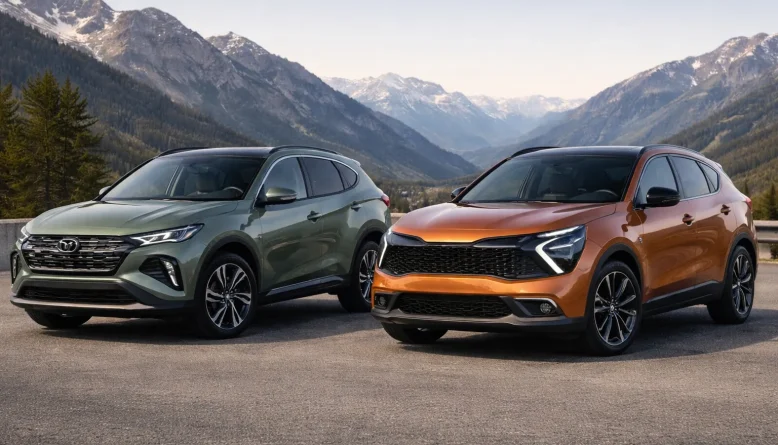
The 2024 Hyundai Tucson vs Kia Sportage review comes down to a decision between two closely related compact SUVs that share mechanical foundations but diverge in tuning, presentation, and ownership priorities. For a serious buyer already cross-shopping alternatives, this comparison is less about headline specifications and more about how each vehicle fits daily use over several years. Both compete directly for the same buyer, yet they deliver meaningfully different experiences once you move past the spec sheet.
Buyer Context and Market Positioning
The 2024 Hyundai Tucson vs Kia Sportage comparison matters because these two vehicles sit at the center of the global compact SUV market, competing directly in the same size class and price band across the USA, Canada, Europe, and other global markets. Buyers cross-shopping the Hyundai Tucson vs Kia Sportage are typically replacing a sedan or an older compact SUV and want a vehicle that balances fuel efficiency, interior space, technology, and long-term value.
In practical terms, this is a Car A vs Car B decision where brand loyalty often matters less than real-world usability. The question of which should you buy usually comes down to ride comfort versus handling confidence, interior design preferences, and how each brand structures value across trims. Neither vehicle targets the enthusiast driver, but both aim to satisfy owners who expect refinement, safety, and predictable operating costs.
Pricing, Trims, and Real-World Value
In the United States, the 2024 Hyundai Tucson and 2024 Kia Sportage both start in the high-$20,000 range before destination, with base MSRP differing only slightly depending on market and timing. Pricing structures remain similar in Canada and Europe once regional taxes, powertrain availability, and standard equipment differences are accounted for.
At comparable price points, the Tucson often emphasizes standard comfort and safety features, while the Sportage tends to lean into bolder styling and slightly more aggressive trim differentiation. Mid-level trims are where most buyers land, and here the equipment overlap is substantial, including advanced driver assistance systems, large infotainment displays, and available all-wheel drive.
Value differences emerge less from sticker price and more from packaging. Hyundai traditionally bundles features into fewer option packages, which simplifies ordering but limits customization. Kia allows slightly more trim-level distinction, which can appeal to buyers who want a specific visual or technology configuration without stepping up to a top trim.
Powertrain, Performance, and Efficiency
From a mechanical standpoint, the 2024 Hyundai Tucson vs Kia Sportage comparison is straightforward because both vehicles share nearly identical powertrain offerings. The standard engine in both is a 2.5-liter naturally aspirated four-cylinder producing 187 horsepower, paired with an eight-speed automatic transmission. Front-wheel drive is standard, with all-wheel drive available.
In everyday driving, this powertrain feels adequate rather than energetic. City traffic reveals smooth throttle calibration, while highway merging requires deliberate inputs but no unusual planning. Passing performance is acceptable, though neither vehicle encourages aggressive maneuvers. Long-distance cruising is relaxed, with engine speeds kept low at highway velocities.
Hybrid and plug-in hybrid variants are available in many markets, using a turbocharged 1.6-liter engine paired with electric assistance. These versions prioritize efficiency and low-speed responsiveness rather than outright performance. Official fuel economy ratings for the gasoline models are essentially identical, with front-wheel-drive versions rated around the mid-20s city and low-30s highway in U.S. testing. Real-world efficiency depends more on driving style and terrain than on brand choice.
Ride Quality, Handling, and Driving Character
The driving character difference between the Hyundai Tucson and Kia Sportage becomes clearer on imperfect roads. The Tucson favors a softer suspension tune that filters sharp impacts more effectively, particularly at urban speeds. Broken pavement and expansion joints transmit less harshness into the cabin, which benefits daily commuting.
The Sportage, by contrast, feels more firmly damped. Steering response is slightly quicker, and body motions are more controlled during lane changes and sweeping highway ramps. This does not transform it into a sporty vehicle, but it does inspire more confidence when roads become curvier or speeds increase.
Highway stability is strong in both vehicles, though the Tucson’s calmer ride may better suit buyers who prioritize comfort over feedback. The Sportage’s tuning rewards drivers who prefer a sense of connection, even if that comes at the cost of slightly firmer ride quality.
Interior Quality, Comfort, and Usability
Interior design plays a major role in the 2024 Hyundai Tucson vs Kia Sportage decision. The Tucson adopts a clean, modern layout with an emphasis on horizontal lines and an uncluttered dashboard. Materials feel consistent across most touchpoints, and seat cushioning favors long-distance comfort over initial firmness.
The Sportage interior is more visually dramatic, with a cockpit-style layout that wraps around the driver. Materials quality is comparable, though surface textures and trim accents feel more design-forward than conservative. Front seat comfort is excellent, though the firmer seat base may not suit all body types on extended drives.
Visibility is good in both vehicles, with large mirrors and well-placed pillars. Control layouts differ, however, and buyers should spend time with each infotainment and climate interface, as preferences vary. Cabin noise levels remain low at highway speeds in both, with wind and road noise well suppressed for the segment.
Infotainment, Technology, and Driver Assistance
Both vehicles offer large, high-resolution infotainment displays with standard smartphone integration in most markets. Responsiveness is strong, and menu structures are logical once learned. Differences appear in interface philosophy rather than capability.
Driver assistance systems are standard across most trims, including adaptive cruise control, lane-keeping assistance, and forward collision mitigation. In practice, these systems operate smoothly and intervene predictably. Lane-centering performance is stable on highways, though neither system eliminates the need for attentive driving.
Some drivers may find the frequency of alerts and warnings higher than expected, particularly with default sensitivity settings. Fortunately, most functions allow adjustment or deactivation through the vehicle menus.
Space, Practicality, and Daily Use
Rear-seat space is generous in both vehicles, comfortably accommodating adults on longer trips. Legroom and headroom differences are minimal, making this category largely a tie. Child-seat installation is straightforward, with accessible anchors and wide-opening rear doors.
Cargo capacity favors usability rather than headline volume. Both vehicles offer flat load floors and low lift-over heights, which simplifies daily errands and travel loading. Interior storage solutions, such as center consoles and door pockets, are well thought out and sized for modern devices.
For daily use, neither vehicle imposes meaningful compromises. The choice instead depends on small details like seat comfort, tailgate operation, and interior layout preferences.
Safety and Reliability Considerations
Both the Hyundai Tucson and Kia Sportage have earned strong crash-test results from major safety organizations where tested, and both include a comprehensive suite of standard safety features. Warranty coverage remains a strength for both brands, particularly in the United States, where long powertrain warranties provide additional peace of mind.
Long-term reliability data for the 2024 model year is still developing. Historical trends suggest average to above-average reliability for both nameplates, though buyers should follow ongoing data from independent reliability studies as vehicles age.
Ownership Costs and Long-Term Perspective
Fuel costs remain predictable, especially for hybrid variants, which appeal to buyers with high annual mileage. Maintenance expectations are typical for the segment, with no unusual service requirements. Depreciation trends historically favor neither brand decisively, though market conditions and regional demand can influence resale values.
Brand support networks are extensive in North America and Europe, which simplifies servicing and warranty work. Ownership experience will depend more on local dealer quality than on the vehicle itself.
Verdict: Which Buyer Should Choose Which Car
The 2024 Hyundai Tucson vs Kia Sportage review does not produce a universal winner, and it should not. Buyers who prioritize ride comfort, a calmer interior design, and a slightly more relaxed driving experience will likely find the Tucson better aligned with their daily needs. It suits commuters and families who value refinement over engagement.
The Sportage, on the other hand, fits buyers who appreciate firmer handling, bolder styling, and a more driver-focused cabin layout. It rewards those who want their compact SUV to feel a bit more responsive without sacrificing practicality.
Ultimately, the Hyundai Tucson vs Kia Sportage decision should rest on test-drive impressions and ownership priorities rather than minor specification differences. Both are competent, well-rounded compact SUVs, and the right choice depends on how you intend to live with the vehicle, not how it looks on paper.
No Responses Yet