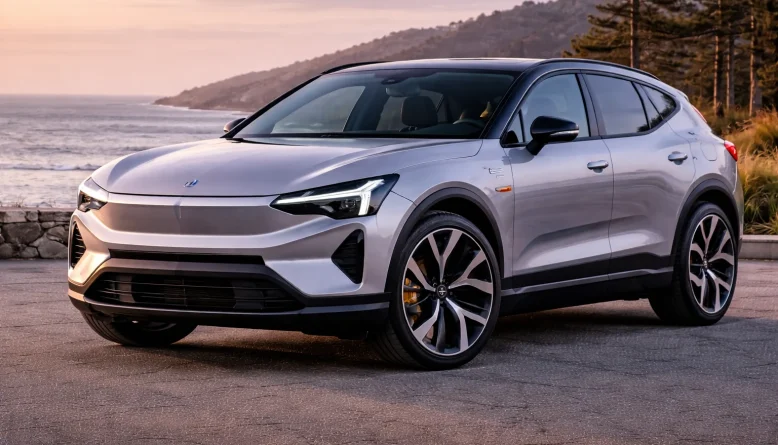
Every premium EV buyer eventually faces a moment of doubt. The vehicle looks impressive, the performance promises are strong, yet the real questions linger. Will the range feel dependable in winter, will charging fit a busy routine, and does the price make sense once the excitement fades into ownership? The 2026 Polestar 3 arrives squarely in that emotional space, asking buyers to believe in a vision of luxury, restraint, and long-term confidence rather than headline numbers alone.
Overview
The 2026 Polestar 3 is positioned as a large, performance-oriented electric SUV aimed directly at buyers considering German luxury brands or high-end Teslas. It is not meant to be flashy or playful. Instead, it focuses on controlled power, Scandinavian design discipline, and a calm ownership experience. This EV is less about chasing trends and more about establishing Polestar as a serious long-term luxury contender.
What’s New
Polestar has not announced a full redesign or major hardware overhaul for the 2026 model year. Most updates are expected to center on software optimization, feature availability, and production refinement as the model matures. That matters for buyers who want stability rather than rapid iteration, especially in a segment where early-production EVs sometimes feel unfinished.
Exterior
The exterior design is clean, wide, and confident. The Polestar 3 carries real visual presence without resorting to aggressive styling cues. Proportions emphasize width and stance over height, giving it a planted look on the road. It feels intentionally understated, which will appeal to buyers who want luxury without visual noise.
Interior
Inside, the cabin reflects Polestar’s minimalist philosophy. The seating position is upright and commanding, yet the dashboard remains low and uncluttered. Front-seat comfort is excellent for long drives. Rear-seat space is adequate for adults, though not class-leading given the vehicle’s exterior size. Cargo space favors clean packaging over maximum volume.
Interior & Build Quality
Material quality aligns with premium expectations. Surfaces feel solid and thoughtfully chosen, with an emphasis on texture rather than gloss. Assembly quality is generally strong, and the cabin feels well insulated from road noise. Over rough pavement, the structure remains composed, reinforcing confidence in long-term durability.
Infotainment & Technology
The infotainment system relies on a Google-based interface displayed through a large central screen. Navigation and voice commands work well, though the system demands an adjustment period. Over-the-air updates promise continuous improvement, but early ownership still requires patience as drivers adapt to screen-heavy control logic.
Powertrain / Motor & Battery – 2026 Polestar 3
The 2026 Polestar 3 uses a dual-motor setup paired with a large battery pack designed for both performance and range stability. Power delivery is smooth and immediate, with strong regenerative braking that becomes intuitive over time. The drivetrain feels refined and deliberate rather than aggressively tuned, which suits its luxury positioning.
Performance
Performance is confident without being theatrical. Acceleration is quick enough to feel effortless in daily driving, especially during highway merging or passing. The low center of gravity helps mask the vehicle’s weight, and steering response feels precise for an SUV of this size. Ride quality leans firm but controlled, prioritizing composure over softness.
Efficiency / Range – 2026 Polestar 3
Real-world range behavior is solid but not class-leading. In mixed driving, the range feels predictable when driven with restraint. Highway speeds and cold weather noticeably reduce efficiency, which is typical for larger EVs. The Polestar 3 rewards planning and steady driving rather than aggressive use.
Charging & Real-World Use – 2026 Polestar 3
Charging performance supports fast DC charging, making road trips feasible with proper planning. The charging curve tapers gradually, favoring shorter stops rather than extended sessions. Home charging remains the most seamless ownership scenario, while reliance on public infrastructure requires patience, especially during peak travel periods.
Safety
Safety is a core Polestar value, and it shows. The Polestar 3 feels stable and predictable during emergency maneuvers. Structural integrity and weight distribution inspire confidence, particularly at highway speeds. This is an EV that prioritizes calm responses over dramatic intervention.
Driver Assistance
Driver assistance systems operate conservatively and smoothly. Adaptive cruise control and lane-centering reduce fatigue without feeling intrusive. These features work best on highways, where they support long-distance driving rather than pushing toward autonomy experimentation.
Trims, Options & Pricing
Pricing places the Polestar 3 firmly in premium territory. Options focus on performance upgrades, suspension tuning, and interior themes rather than gimmicks. Buyers should expect pricing that reflects exclusivity and engineering ambition rather than value-driven positioning.
Release Date – 2026 Polestar 3
Polestar has not confirmed a specific on-sale date for the 2026 model year. Based on manufacturer guidance and widely reported information, the 2026 Polestar 3 is expected to arrive later in 2025 or in early 2026 depending on market and configuration availability.
Key Pros & Cons
The design feels genuinely premium and distinctive. Performance is smooth and confidence inspiring. Interior materials support luxury expectations. Ride stability suits long-distance driving. Software updates promise long-term refinement. Brand identity feels focused and deliberate.
Range efficiency trails lighter rivals. Charging infrastructure dependence remains a reality. Rear-seat space is not class-leading. Interface learning curve can frustrate new owners. Pricing limits its audience. Resale confidence remains unproven versus established luxury brands.
Competitors / Rivals
The Polestar 3 competes directly with the Tesla Model X, BMW iX, Audi Q8 e-tron, and Mercedes EQE SUV. Tesla emphasizes charging convenience and software maturity. BMW and Audi lean on brand legacy and ride refinement. Mercedes focuses on comfort and interior luxury. The Polestar differentiates itself through restrained design and controlled performance character.
Final Verdict
The 2026 Polestar 3 is an EV for buyers who value composure over spectacle. It does not chase extremes in range or acceleration. Instead, it delivers a carefully balanced luxury experience that rewards thoughtful ownership. For drivers seeking a premium electric SUV that feels intentional rather than experimental, the Polestar 3 makes a compelling, if not risk-free, case.

No Responses Yet