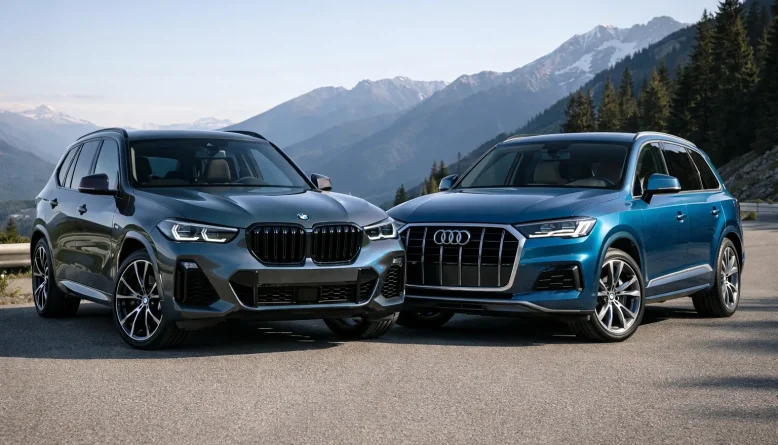
The direct answer in this 2024 BMW X5 vs Audi Q7 buyer comparison is that the X5 prioritizes driving engagement, powertrain variety, and a more athletic ownership experience, while the Q7 focuses on interior space, ride comfort, and long-distance usability for families. For buyers already cross-shopping these two midsize luxury SUVs, the choice is less about brand prestige and more about how each vehicle fits daily driving, passenger needs, and long-term ownership expectations.
Buyer Context and Market Positioning
The buyer considering a 2024 BMW X5 vs Audi Q7 is typically moving into the midsize luxury SUV segment with clear expectations. This buyer often wants premium materials, strong safety technology, and enough space for family use, but does not want to step into a full-size SUV. The comparison matters because these vehicles overlap in price and capability while serving slightly different ownership priorities.
The BMW X5 is aimed at buyers who still care about steering feel, acceleration, and a sense of control behind the wheel. The Audi Q7 targets households that value passenger comfort, cabin space, and a more relaxed driving experience. When asking which should you buy, the answer often depends on whether the SUV is primarily a personal vehicle or a shared family asset.
Pricing, Trims, and Real-World Value
For the 2024 model year, both vehicles sit firmly in the premium pricing bracket. The BMW X5 offers a wide range of trims and powertrains, which allows buyers to tailor performance and features but can drive transaction prices up quickly once options are added.
The Audi Q7 follows a more consolidated trim strategy, with strong standard equipment levels relative to price. In real-world terms, X5 buyers often pay more for performance-oriented upgrades, while Q7 buyers receive a more fully equipped vehicle earlier in the trim walk. Value depends on whether the buyer prioritizes customization or prefers a more complete package out of the box.
Powertrain, Performance, and Efficiency
The BMW X5 offers a broader range of powertrain choices, including more performance-focused configurations. In everyday driving, this translates into quicker acceleration, confident highway passing, and a more responsive feel in traffic. The driving experience feels purposeful, especially for buyers coming from performance-oriented sedans.
The Audi Q7 emphasizes smooth, linear power delivery. Acceleration is strong enough for daily use but tuned to feel calm rather than aggressive. On long highway drives, the Q7’s powertrain fades into the background, which many family buyers appreciate. Fuel economy differences between the two are modest in real-world use and often depend more on driving style than brand.
Ride Quality, Handling, and Driving Character
Driving character is one of the clearest differences in this buyer comparison. The X5 feels more planted and engaging, with steering that communicates more clearly and suspension tuning that favors control over isolation. This makes it more enjoyable on winding roads and during spirited driving.
The Q7 prioritizes ride comfort and stability. Suspension tuning absorbs rough pavement effectively, and the cabin remains composed over long distances. The tradeoff is a less engaging driving feel, though many buyers prefer the reduced fatigue and smoother ride in daily use.
Interior Quality, Comfort, and Usability
Both interiors reflect their brands’ priorities. The BMW X5’s cabin emphasizes driver ergonomics and a cockpit-like layout. Materials are high quality, though the design leans toward functional sophistication rather than visual warmth.
The Audi Q7’s interior feels more open and refined, with a strong emphasis on clean design and material consistency. Seating comfort, particularly in the second row, favors the Q7. Over years of ownership, buyers who frequently carry passengers may find the Audi’s interior layout more accommodating.
Infotainment, Technology, and Driver Assistance
BMW’s infotainment system emphasizes responsiveness and customization, appealing to drivers who enjoy tailoring settings and interactions. The learning curve can be steeper, but the system rewards engagement.
Audi’s system focuses on clarity and visual cohesion. Controls are intuitive once familiar, and driver-assistance features integrate smoothly into daily driving. For long-term ownership, ease of use often matters more than feature depth, particularly for shared vehicles.
Space, Practicality, and Daily Use
The Audi Q7 offers a more usable third row, making it better suited to families who regularly carry more than five passengers. Cargo flexibility with seats in use also favors the Q7.
The BMW X5 offers competitive space for five passengers and ample cargo room but is better viewed as a two-row SUV with occasional extra seating. Buyers who rarely need a third row may prefer the X5’s more compact, driver-focused layout.
Safety and Reliability Considerations
Both vehicles perform well in safety testing and include comprehensive driver-assistance features. Reliability trends show both brands performing adequately in this segment, though long-term maintenance costs are typically higher than mainstream SUVs. There is no evidence suggesting a significant reliability advantage for one over the other for the 2024 model year.
Ownership Costs and Long-Term Perspective
Fuel costs are similar in real-world driving. Maintenance and repair costs tend to favor Audi slightly for buyers who prioritize predictable ownership, while BMW ownership costs can vary more depending on powertrain and driving style. Depreciation patterns are comparable, with condition and trim selection playing a major role.
Verdict: Which Buyer Should Choose Which Car
In this 2024 BMW X5 vs Audi Q7 buyer comparison, the X5 is best suited to buyers who value driving engagement, powertrain variety, and a more athletic feel in a luxury SUV. The Q7 is the better choice for families who prioritize space, comfort, and a calm, refined driving experience over performance.
Neither SUV is objectively superior. The right choice depends on whether your daily driving enjoyment or long-term family practicality defines what value means to you.

No Responses Yet